Imperial Wealth Management Group
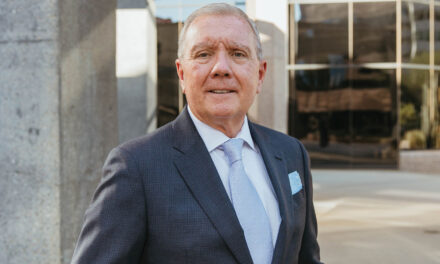
Donald C. Schultz, AWM, AIF®, CPFA
First Vice President – Financial Advisor
Office: 727-895-8807
Email: donald.schultz@rbc.com
us.rbcwm.com/imperialwmg
Navigating the Risks and Rewards of Fine Art as an Investment
by Donald C. Schultz
It’s no secret that some artworks are very valuable. Such multimillion-dollar price tags may tempt opportunistic investors into the art market for the first time. And while art investments can offer both aesthetic and financial value, fine art is a risky asset class, and there is much to consider before diving in.
Understand the risks before you buy: Art can be a volatile investment. Like fashion, artists and their works go in and out of style, affecting the resale value and return on investment. Art acquisition also comes with considerable extra costs, such as commissions and insurance. Plus, there is always a chance of forgery, theft or damage.
Know how art differs from securities: Some investors may look to art as a way to diversify their portfolios away from traditional stocks and bonds. But the illiquidity of art and a thinly traded market can make it a riskier investment. While stocks trade for clearly defined prices, Monday through Friday from 9:30 a.m. to 4 p.m. Eastern time, the art market does not have a specific timeframe. This means you could have a piece you would like to sell, but there might not be a market for it. The valuation of artwork is also more subjective, and prices for a particular piece of art may vary widely.
Realize that supply far exceeds demand: Just 1% of all artists generate more than half of all artworks sold globally, according to a TEFAF Art Market Report. There is no easy way to identify which artists will be the most sought-after or successful – so there’s no guarantee of a positive return on investment.
Despite the risks, art can play an important role in a wealth portfolio, such as for diversification and inflation protection. A financial advisor can help you weigh the potential benefits and risks to determine if art investment aligns with your individual financial goals and risk tolerance. The art market is neither transparent nor straightforward, so the support of an experienced advisor can help investors navigate it successfully.
By working with experienced professionals, knowing the risks and taking time to research, investors can be well-positioned for art’s financial and aesthetic benefits.
This article is provided by Donald Schultz, a Financial Advisor at RBC Wealth Management. The information included in this article is not intended to be used as the primary basis for making investment decisions. RBC Wealth Management does not endorse this organization or publication. Consult your investment professional for additional information and guidance.
Investing in alternative investments may be speculative, illiquid and not suitable for all clients. They are intended for investors who meet certain criteria and are willing and able to bear the unique economic risks of the investment. Investors should consider whether such investments are suitable in the light of their individual financial situation.
RBC Wealth Management, a division of RBC Capital Markets, LLC, registered investment adviser and Member NYSE/FINRA/SIPC.